
Understanding Humanism
Humanism and Aesop’s Fables
‘Like those who dine well off the plainest dishes, he made use of humble incidents to teach great truths.’
Apollonius of Tyana, a 1st-century CE philosopher, on Aesop
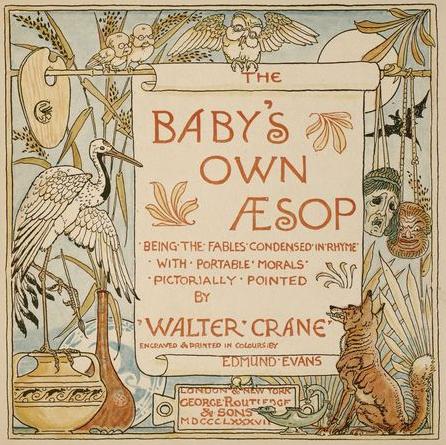 Aesop’s Fables are a collection of stories or parables with messages about how we can live well together. Little is known about Aesop, but accounts (possibly fictional) of his life describe him as a slave, freed through his cleverness, who lived in ancient Greece around 600 BCE. However, the stories probably date from even earlier as part of the long oral tradition of storytelling, and it is almost certain that not all the fables credited to Aesop were actually written by him.
For humanists, the origin of a story is often not of significant importance. It is not the author who imbues a story with its value. What makes a story or parable a source of inspiration or wisdom is whether it reveals something true about us – something that chimes with our current understanding of human nature or wellbeing, or the ways in which our actions can have positive consequences. Many of Aesop’s fables do just that.
Each fable carries a message that humanists (as well as many other people) might find value in. They tend to teach their moral lessons not through the characters being presented with rules to be followed, but by their learning of the consequences brought about by acting in a particular way. That aligns closely with the humanist belief and approach to ethical problems – that we can learn about how best to treat each other and how to live well together through reason, empathy, and human experience.
-
- Responsibility: The fables highlight how individuals are responsible for their own actions and their consequences, rather than relying on fate, or guidance or chastisement from beyond the natural world.
- Human experience: Aesop’s stories usually draw morals from everyday human behaviour and recognising the results of such action, encouraging virtues like honesty, kindness, fairness, and self-reliance.
- Reason and practical wisdom: Many of the fables include characters using their own intelligence and critical thinking to solve problems.
- Universal values and lessons: The morals will often apply to everyone, regardless of status, background, or worldview.
Long employed in the moral education of children, they provide a great way of introducing a humanist approach to ethical questions across the key stages.
Below are a few examples of how the fables link to a humanist outlook on life (the stories can all easily be found online or in collections available at book shops):
The Fox and the Stork
Message: treat other people the way you would like to be treated.
This fable helps to illustrate the value of the Golden Rule, an ethical principle often praised by humanists. It also helps to demonstrate how the Golden Rule does not mean giving other people exactly the same things that we would want. Rather we should try to think on a level beyond that, considering their needs and wishes, as that is what we would want others to consider when deciding how to treat us.
Check out our own resource on The Fox and the Stork on Understanding Humanism.
The Lion and the Mouse
Messages: kindness is never wasted, we should not underestimate others.
This story connects neatly to the humanist (and commonly shared) belief that everyone has value. We are all capable of doing good things for others. Collaboration, compassion, and mutual support (including for those who are different to us) can support us to live well together.
The Sun and the Wind
Message: persuasion is better than using force.
Humanists will typically recognise the value of conversation and reasoning as the best way to persuade others to act, helping people to see the benefits, rather than applying coercion or threats. They believe we should respect people’s personal autonomy to make their own choices.
The Lion and the Boar
Message: put an end to your quarrels or both of you will suffer.
This story can help to illustrate the humanist belief that compromise is often a better solution than conflict. Often both parties can benefit. We should consider the likely consequences of our actions and use that to inform how we choose to act.
The Lion and the Statue
Message: the story depends on the teller.
This story reflects the importance humanists place on thinking critically about stories, traditions, and so-called ‘truths’, rather than just accepting them because they come from authority. One might highlight the writings of the ancient Greek philosopher Xenophanes who claimed that horses would draw their gods like horses. For many humanists, religious beliefs about God tell us more about human nature than they do about anything beyond the natural world.
The Crow and the Jug
Message: think about your problems carefully and you can solve them.
For humanists, our challenges are best solved by applying reason, practical action, and an understanding of the world around us. We need to take responsibility to solve our own problems. The story might also symbolise the patient and methodical process of making progress in our understanding of the world through scientific enquiry. (The fable could even be turned into a practical experiment in the classroom.)
The Fir Tree and the Bramble
Message: we should not be vain.
This fable can help to illustrate that, for humanists, a belief in a glorious afterlife might be misplaced. We should focus instead on this life in the here and now.
The Boy who Cried Wolf
Message: don’t lie (or people might not believe you when you tell the truth).
Humanists would have much sympathy with the moral of the story and the way it is taught through its illustration of the potential real world consequences of our actions.
The Ant and the Grasshopper
Moral: be prepared for the future.
This story highlights personal responsibility, planning, and the importance of applying rational decision making to secure wellbeing. It is worth, however, recognising that many humanists will acknowledge that a good life is one that tries to find the right balance between planning for the future and making the most of the here and now.
The Farmer and his Sons
Message: hard work can bring rewards.
This fable illustrates how it is through human effort that we can find happiness, fulfilment, and wealth in life. We need to take action for ourselves rather than rely on the possibility of potentially miraculous rewards. For humanists, the ingredients of a rich and rewarding life are all natural, or of human design, rather than having some supernatural or divine origin.
The Ant and the Dove
Message: one good turn deserves another.
A humanist understanding of human nature is one that recognises that kindness to others benefits not just the person to whom we are kind, but potentially ourselves through reciprocal action, and society more generally through cultivating positive relationships and attitudes.
For more book recommendations see here.
If you enjoyed this, you might like our article on our favourite picture books about humanism.
Click here for more of our articles!