
Understanding Humanism
World Humanist Day
Every year, humanists and many other people around the world come together to celebrate World Humanist Day. It is a day dedicated to recognising humanism as a positive, life-affirming worldview that champions reason, empathy, and personal autonomy. For humanists, it is an opportunity to remember our human potential, celebrate what human beings have achieved, and acknowledge the work that still needs to be done to support everyone to live a full and flourishing life in the here and now.
When is World Humanist Day?
World Humanist Day is celebrated globally every year on 21 June. The date aligns with the June Solstice (the longest day of the year in the Northern Hemisphere and the shortest in the Southern Hemisphere). This astronomical event was chosen for the way it connects to humanist beliefs and values:
- Our shared humanity: The solstice happens at the same time for everyone on Earth, embodying the shared, universal connections between all human beings. Humanists believe we can celebrate diversity but, when it comes to how we treat other people, rather than focusing on our differences and drawing divisions, we should remember that we are all human.
- Science and nature: People have long marked the solstice as an important date in the calendar. However, it is through the scientific process of observation and seeking evidence that we have come to understand what it is and why it happens. For humanists it stands as a symbol of our developing understanding of the natural world in which we live.
When was it first celebrated?
World Humanist Day celebrations began in the 1980s, growing from the grassroots up, when various local chapters of the American Humanist Association (AHA) started hosting their own individual events.
Initially, different groups celebrated on different dates. However, by the early 1990s, both the AHA and Humanists International passed a resolution to declare World Humanist Day would be on the 21 June.
Who celebrates and how?
World Humanist Day is celebrated by humanists, atheists, agnostics, freethinkers, and secularists across every continent.
Because humanists value education, human solidarity, and making the most of the one life we have, the day serves several major purposes:
- It provides a platform to show the public what humanism is all about and counter the many common misconceptions.
- It shines a light on global issues, in particular, standing in solidarity with non-religious individuals who face discrimination or persecution in countries without freedom of thought.
- It creates an opportunity to celebrate the good work that humanists and other human beings are doing around the world to help people live better lives.
There is no mandatory way to mark the occasion. Celebrations reflect the creativity and individuality of local communities.
Here are some diverse examples of how people celebrate across the globe:
- United Kingdom: Humanists UK holds its annual Festival of Humanism on or around World Humanist Day. People from across the country come together to hear talks, eat together, and engage in conversation. In Scotland, humanists have hosted geologically inspired walks to appreciate the Earth’s deep history, alongside community tree-planting projects. In London, events like the ‘One Life’ concert and performances by the London Humanist Choir bring people together through the arts.
- United States: Local groups typically focus on education and community. They hold ‘Introduction to humanism’ courses for the public, organise charity drives, and host neighborhood picnics.
- The Netherlands: Dutch humanist organisations have a history of collaborating with national television networks to broadcast short films about secular ethics.
- Romania: Humanists take to the streets for public outreach, setting up informational tables to engage in friendly, open dialogues with passersby.
- Other humanist communities might gather in public parks or community spaces for poetry readings, live music, science fairs, or philosophical discussions.
What can schools do?
World Humanist Day provides a fantastic opportunity to teach a lesson or offer an assembly on humanism. Resources to support this can be found in the What is Humanism? area of our website.
Teachers can also request a visit from a free trained humanist school speaker who can talk about what humanism means to them and answer any students’ questions.
It’s a great day to learn about the diversity of religion and belief around the world and explore our many shared human values.
Click here for more of our articles!
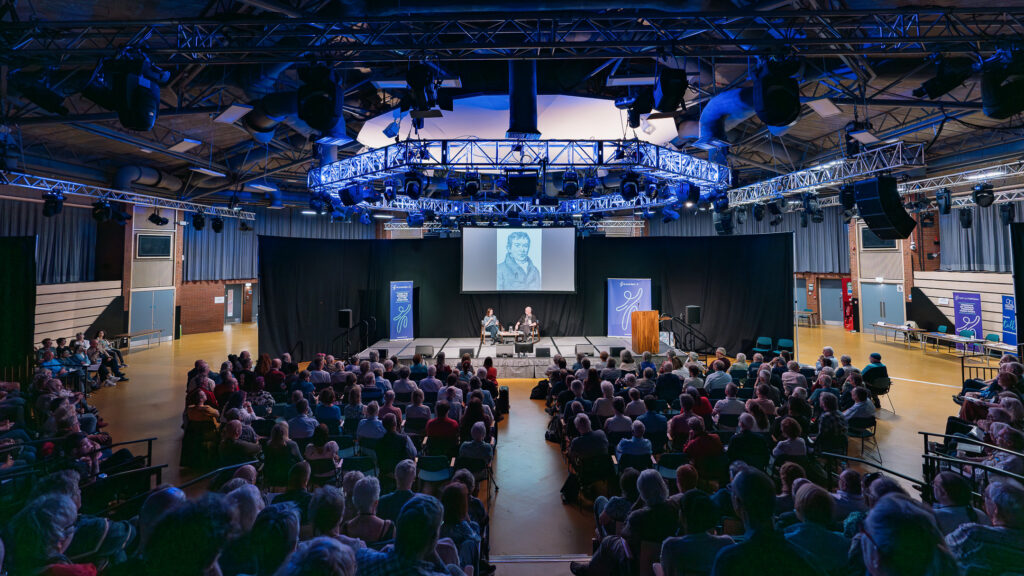
Humanists UK’s Festival of Humanism
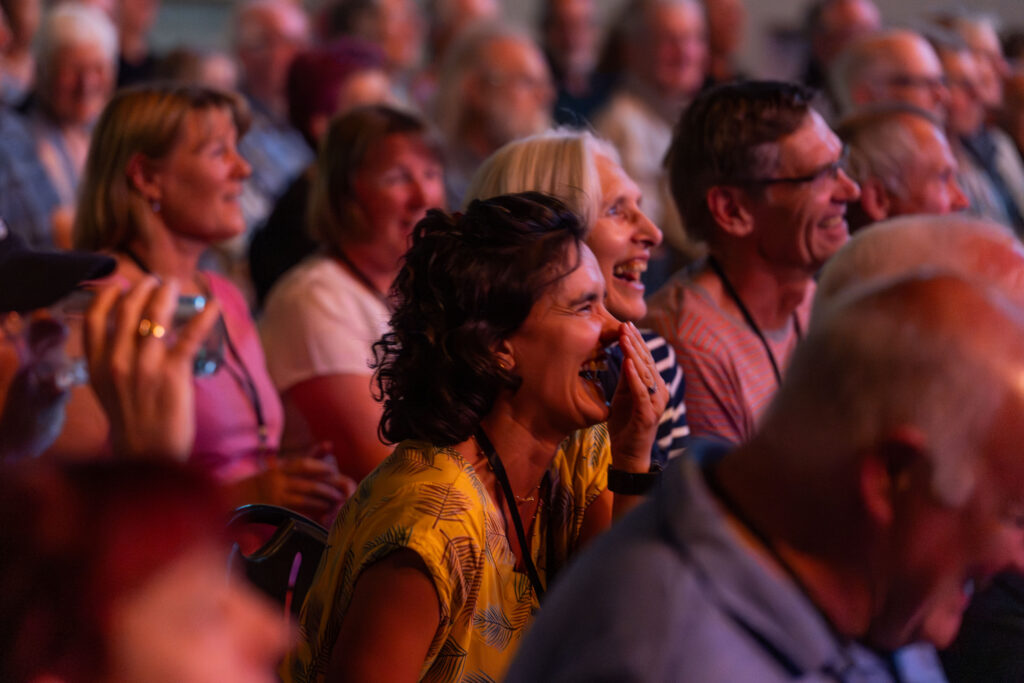
Audience members at Humanists UK’s Festival of Humanism

The London Humanist Choir’s One Life concert

Humanists in Romania marking World Humanist Day